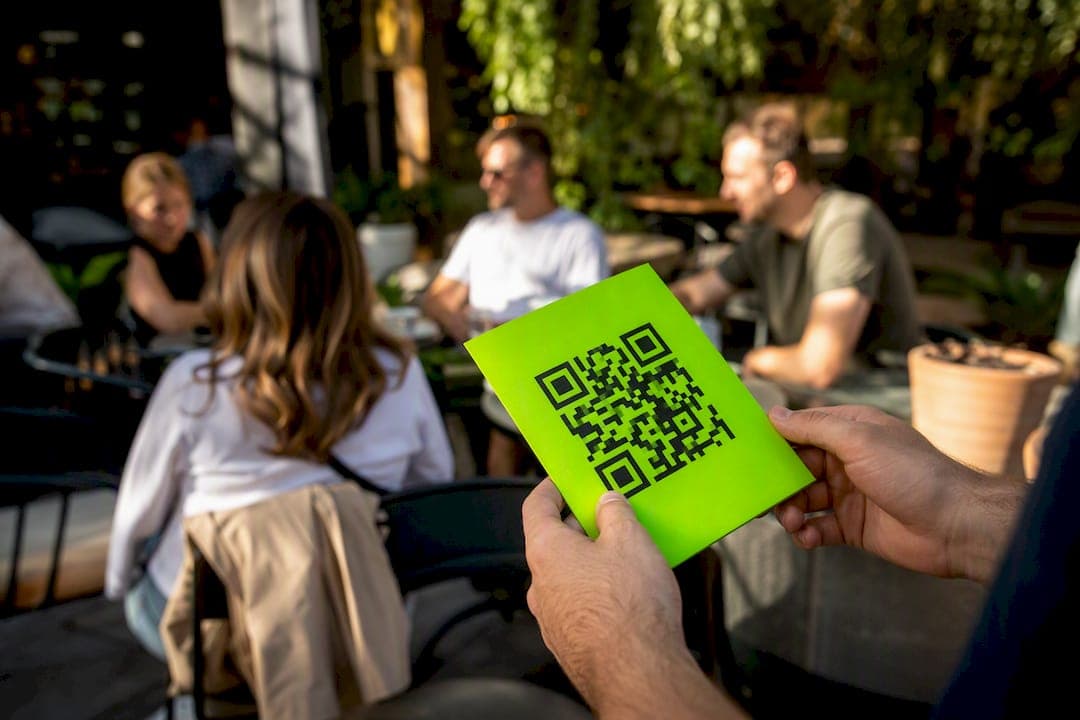
Yes, put QR codes in your marketing mix, but only with a dynamic code as your default, never static. Static codes lock you into whatever destination you printed, and one typo means a reprint bill. Your first move: pick a dynamic QR provider, set up one campaign destination, and tag it with UTM parameters before you generate a single code.
- A 2025 State of QR Codes survey found 95% of business leaders now use QR codes to collect first-party data, with QR-linked destinations averaging a 37% click-through rate.
- Most of those leaders engage with QR codes regularly, showing scan behavior is widespread and routine.
Key Takeaways
Dynamic QR codes paired with UTM-tagged, mobile-first landing pages turn offline print spend into a measurable, testable marketing channel.
| Point | Details |
|---|---|
| Default to dynamic codes | Static codes lock destinations forever; dynamic codes let you fix, test, and redirect after printing. |
| Set KPIs before launch | Track scan rate, scan-to-session CTR, and post-scan conversion, not just raw scan counts. |
| Follow print size minimums | Use a 2 cm floor with a 3 to 5 cm sweet spot on flyers, and always test print before a full run. |
| Match destination to placement | Send packaging scans to product pages and receipt scans to loyalty signups, not a generic homepage. |
| Work with an agency for scale | Crowdcompany builds the redirect, UTM structure, and analytics as one system inside a broader retainer. |
Table of Contents
- What Is QR Code Marketing, and What's the Static vs. Dynamic Difference?
- How Do You Build a QR Code Marketing Strategy?
- What Types of QR Codes Exist, and How Do You Create One?
- Where Do QR Codes Actually Work? Real Placements and Examples
- What Are the Design and Placement Rules for QR Codes?
- How Do You Measure QR Code Performance?
- What Security and Privacy Risks Come With QR Codes?
- How Much Do QR Codes Cost?
- How Crowdcompany Runs QR Code Campaigns
- How Should You A/B Test QR Code Designs?
- What Mistakes Sink Most QR Code Campaigns?
- When Are QR Codes the Right Tool, and When Should You Skip Them?
- How Crowdcompany Turns QR Scans Into Booked Business
- Sources
What Is QR Code Marketing, and What's the Static vs. Dynamic Difference?
A QR code is a scannable square barcode that opens a link, file, or action on a phone the instant a camera reads it. QR code marketing means using that scan as a trigger, packaging, a poster, a receipt, tied to a specific business goal.
Static codes bake the destination URL directly into the code. Dynamic codes route through a redirect link you control, so you can swap the destination, run A/B tests, and pull scan analytics without touching the printed code itself. For marketing, dynamic wins almost every time.
- Static still makes sense for permanent physical assets, a plaque, a piece of equipment, where the link will never change.
Pro Tip: If you're not sure whether a placement is "permanent," treat it as temporary. Reprinting a flyer is cheap; explaining a dead link to a client is not.
How Do You Build a QR Code Marketing Strategy?
Every code needs a job. Before you generate anything, answer four questions:
- What's the campaign goal (sales, sign-ups, reviews, loyalty enrollment)?
- What's the one primary call to action the landing page will ask for?
- Which audience segment will actually encounter this code?
- Where does it physically live, and does that placement match the audience's mindset?
Once that's locked, set your measurement targets: scan rate, scan-to-session click-through, post-scan conversion, and cost per acquisition. These numbers tell you whether the code is pulling weight or just decorating your packaging.
Then map destinations to funnel stage and channel:
- Awareness: OOH billboards or transit ads pointing to a brand video or offer page.
- Consideration: packaging and in-store table tents pointing to product pages or reviews.
- Conversion: direct mail and event materials pointing to a booking form or a loyalty signup.
- Retention: receipts and punch cards pointing to a rewards program or feedback survey.
What Types of QR Codes Exist, and How Do You Create One?
Marketers mostly use a handful of QR types: URL redirects, vCard (contact download), PDF menus or spec sheets, Wi-Fi login, coupon codes, feedback surveys, and bulk unique codes for tracking individual print batches.
Creating one for a real campaign takes five steps:
- Build a short redirect link and attach UTM parameters for source, medium, and campaign.
- Generate the code through a dynamic QR platform rather than a free static generator.
- Export as SVG or a PNG at 1200 pixels or larger, never a low-res screenshot.
- Print a test copy and scan it on both an iPhone and an Android device in the lighting where it will actually live.
- Confirm the redirect fires and the UTM tags land correctly in analytics before the full print run goes out.
Pro Tip: Test the scan in the dimmest light you expect, a dim restaurant table or a shaded outdoor booth. Codes that scan fine on your desk often fail under bad lighting.
- Skip free generators for anything with a real print budget behind it. Uniqode and similar dynamic platforms give you redirect control and analytics that static generators simply don't offer.
Where Do QR Codes Actually Work? Real Placements and Examples
The highest-value placements share one trait: a bored or waiting customer with a phone already in hand. Product packaging, restaurant menus, event lanyards, direct mail pieces, brochures, OOH ads, table tents, receipts, and business cards all fit that description.
A few brand examples worth studying:
Taco Bell has used QR codes on packaging and promotional materials to drive app downloads and loyalty enrollment, turning a fast-food wrapper into a direct funnel toward repeat orders.
Netflix has printed QR codes on show-themed packaging and promotional inserts that link straight to trailers or interactive content, using the code as a bridge between physical merchandise and streaming engagement. Heinz has run QR-code campaigns on bottle labels connecting to recipe content and brand storytelling, proving the tactic works even on a product people buy on autopilot.
What marketers should copy isn't the brand budget, it's the pattern: match the destination to what the customer is already doing at that touchpoint.
- Product page for packaging scans.
- Booking form for event and direct mail scans.
- Loyalty signup for receipt and table tent scans.
What Are the Design and Placement Rules for QR Codes?
A code that doesn't scan is worse than no code at all. Keep strong contrast (dark code on light background), preserve the quiet zone (the blank margin around the code), and avoid dense, high-data codes that shrink the individual modules too small to read.
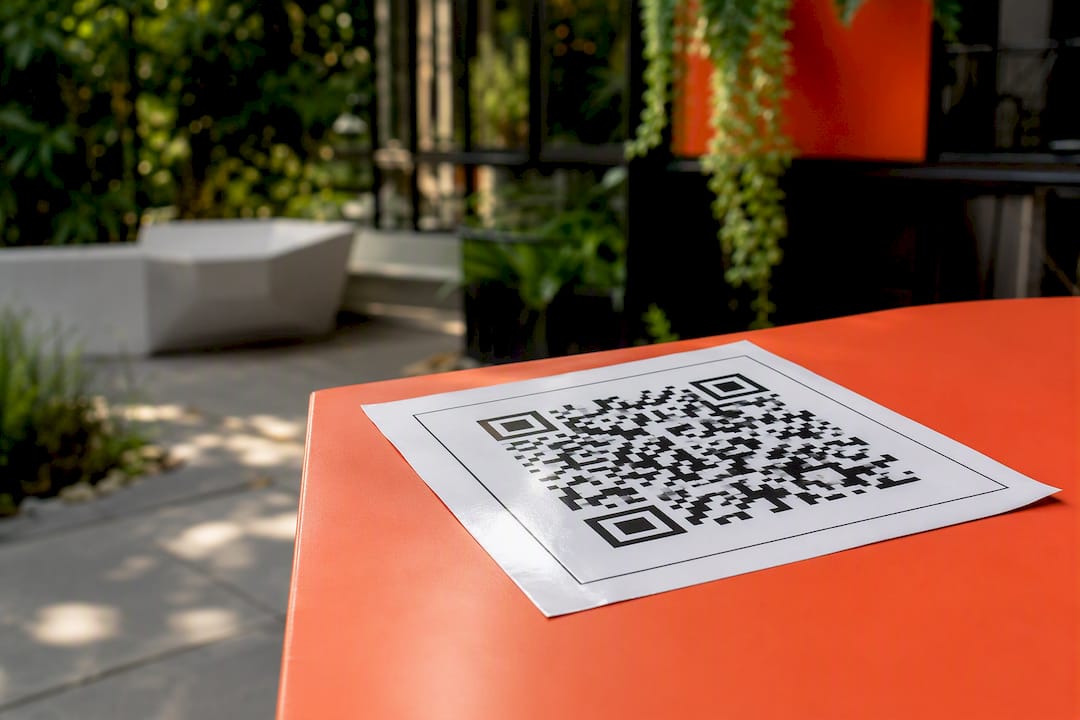
Size depends on format. On business cards, 2 to 3 cm is often the practical floor. On flyers and letter-size print, 2 cm is the minimum with 3 to 5 cm as the sweet spot. Posters and billboards need proportionally larger codes based on expected scan distance, sometimes a foot or more across.
Pair every code with explicit CTA copy at 10 to 12 point minimum, "Scan for 20% off," not just a bare square.
Printed pieces carrying a QR code generate two to four times more digital engagement than those relying on a written URL alone.
- Place the code where the eye naturally lands last, bottom right or bottom center on most layouts.
- Never print over a fold line or trim edge.
How Do You Measure QR Code Performance?
Track scans, unique scanners, scan-to-session click-through rate, landing-page conversion after the scan, and device or geography splits. That last one matters more than people expect. A code performing differently in two ZIP codes tells you something about the placement, not just the offer.
Build a consistent UTM convention before launch: source for placement, medium set to "qr_code," campaign for the name, and content for the variant. Feed that into GA4 alongside your dynamic QR platform's own dashboard so you get full-funnel attribution, not just raw scan counts. Our guide on offline conversion tracking walks through connecting that data back to revenue.
Set realistic targets going in. Given that QR-linked destinations average a 37% click-through rate across the industry, a campaign landing well below that number usually points to a placement or CTA problem, not a channel problem.
- Segment scans by placement so you know which physical location is actually earning its print cost.
- Review scan anomalies weekly during the first month of any new placement.
What Security and Privacy Risks Come With QR Codes?
Malicious actors sometimes cover legitimate codes with stickers linking to phishing pages, a tactic known as QR swapping. Other risks include fake codes planted on receipts or flyers and analytics platforms that collect more personal data than a campaign actually needs.
- Always route through a branded, HTTPS redirect domain you control rather than a generic shortener.
- Print a short preview instruction near the code so users know what to expect before they tap.
- Monitor scan volume for sudden spikes or drops that suggest tampering.
- Collect only the first-party data the campaign requires, and state that plainly on the landing page.
How Much Do QR Codes Cost?
Free static generators exist, but they come with no analytics, no redirect control, and no way to fix a broken link after printing. For anything beyond a one-off, that trade-off isn't worth it.
Dynamic platforms typically run in tiers: entry plans around $5 to $20 a month cover a handful of codes with basic analytics, while mid tier plans add bulk generation and longer data retention. Enterprise pricing scales with code volume and team seats, and that's usually where agency-managed solutions make sense instead of a self-serve dashboard.
- Budget the low tier for a single local campaign; budget enterprise or agency management once you're running codes across multiple locations or channels.
How Crowdcompany Runs QR Code Campaigns
Our process runs in five stages: discovery to define the goal, creative to design the code environment, generation and export to print-ready specs, multi-channel placement across the client's chosen touchpoints, and analytics integration through GA4 for full attribution.
- Discovery and goal-setting with the client.
- Creative design and CTA copywriting.
- QR generation, export, and print testing.
- Placement across packaging, mail, or event materials.
- Analytics setup and ongoing optimization.
We aim for measurable scan volume, a real conversion lift on the landing page, and cleaner offline-to-online attribution than the client had before. QR code work typically sits inside a broader retainer alongside direct mail and loyalty programs rather than as a standalone line item.
Pro Tip: Ask any agency proposing QR work to show you their UTM convention before the campaign launches. If they can't explain it in one sentence, they haven't set up attribution correctly.
- Bundle QR placements with existing print and event budgets rather than treating them as a new expense line.
How Should You A/B Test QR Code Designs?
Treat the code itself as a testable creative asset, not a fixed technical element. Run two versions of the surrounding CTA copy, "Scan to save 15%" versus "Scan for exclusive access," while keeping the code's size and placement identical, so you isolate the message rather than muddying the read with two variables at once.
Test placement position next. A code on the front of a flyer versus the back, or top right versus bottom center, can shift scan rates meaningfully because it changes how long a reader's eye lingers before they act.
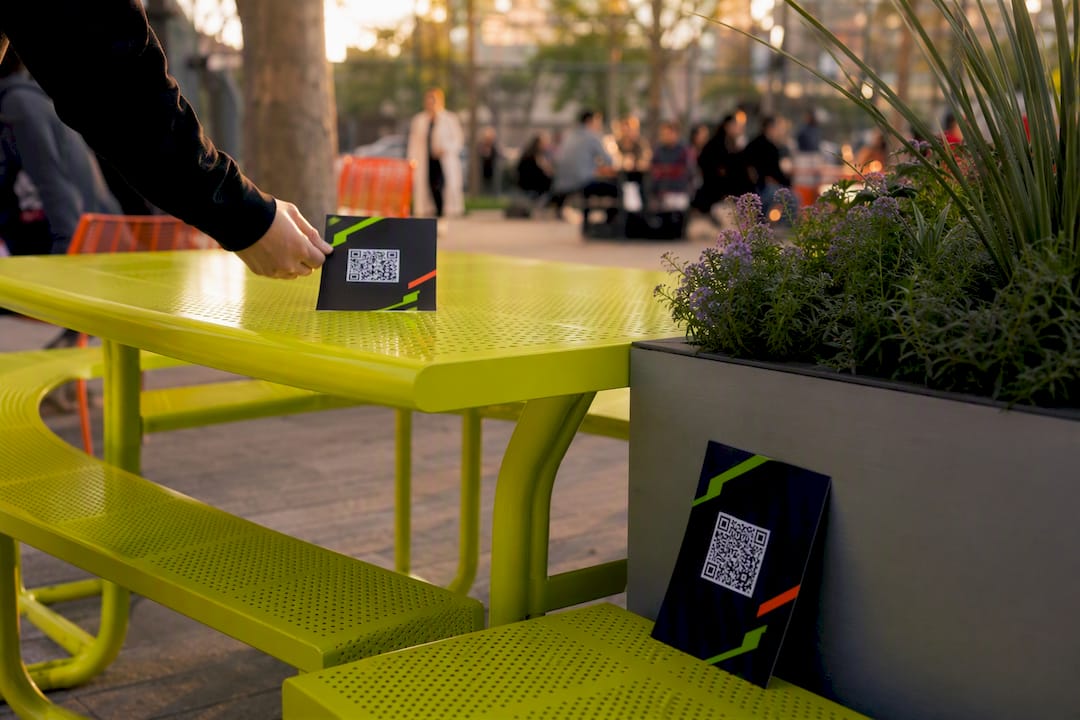
Color and framing matter too. A code with a visible arrow or a small "scan me" icon often outperforms a bare square, but test that against your specific audience rather than assuming it. Some audiences respond better to a minimal, unbranded code that feels less like an ad.
Run each variant across a comparable sample size and duration, at minimum a full print cycle or a two-week digital flight, before declaring a winner. Use your dynamic platform's built-in analytics to compare scan-to-session rates side by side, and confirm the difference is meaningful before rolling a design out across a larger print run.
Don't test more than one variable per batch. A flyer that changes the CTA copy, the code position, and the color all at once tells you nothing about which change actually moved the number. Stagger your tests, document the result, and carry the winning variant forward as your new baseline before testing the next variable.
What Mistakes Sink Most QR Code Campaigns?
The most common mistake is using a static code for a campaign that will need to change, then discovering a broken link mid print run with no way to fix it short of reprinting everything.
A close second is skipping the CTA. A bare code with no explanation of what scanning gets you sees dramatically lower engagement than one paired with a clear, benefit driven line of copy.
Poor print quality kills scans too. Codes exported as blurry screenshots or shrunk below the size minimums for their format simply won't read, especially in bad lighting or on glossy paper that creates glare.
Sending every scan to a generic homepage instead of a purpose-built landing page is another frequent error. A customer who scans a menu code expecting a loyalty signup and instead lands on a cluttered homepage will bounce, and that bounce shows up as a wasted print cost with nothing to show for it.
Finally, plenty of campaigns launch a code and never look at the analytics again. Without a UTM convention and a regular check on scan-to-conversion rates, you can't tell whether the placement is working or just sitting there looking modern.
- Skipping the mobile-UX check on the landing page itself, a desktop-only page ruins a mobile-only interaction.
- Forgetting to test the code before the full print run ships.
When Are QR Codes the Right Tool, and When Should You Skip Them?
Use QR codes when there's a clear value exchange, a short conversion flow, and an offline touchpoint you genuinely need to measure. Skip them for audiences unlikely to scan, privacy-sensitive flows needing stronger authentication, or landing pages that can't be made mobile-first. Pair every scan with a follow-up channel like SMS or email to close the loop.
How Crowdcompany Turns QR Scans Into Booked Business
Crowdcompany is the alternative to guessing whether your print spend is working. Instead of scattering QR codes across flyers and hoping for the best, we build the redirect, the UTM structure, and the landing page as one connected system, then feed the results into automated follow-up.
We handle QR code work as part of a broader retainer or as a standalone project depending on what a client needs. That might mean pairing a scan-to-signup flow with our CRM and lead automation service so every new contact gets an immediate nurture sequence, or building QR-driven direct mail and loyalty programs for a restaurant client trying to turn table tents into repeat visits. For businesses layering QR activations onto earned media, our digital PR services can extend a single campaign's reach well past the initial print run.
If you're planning a print campaign and want the tracking built in from day one instead of bolted on after the fact, reach out to discuss your next QR-driven campaign and we'll map out the redirect, tagging, and landing page before anything goes to print.
Sources
- QR Codes for Flyers 2026: Size, Format, Tracking, Print-Ready Files | EZQR
- Static vs dynamic QR codes